
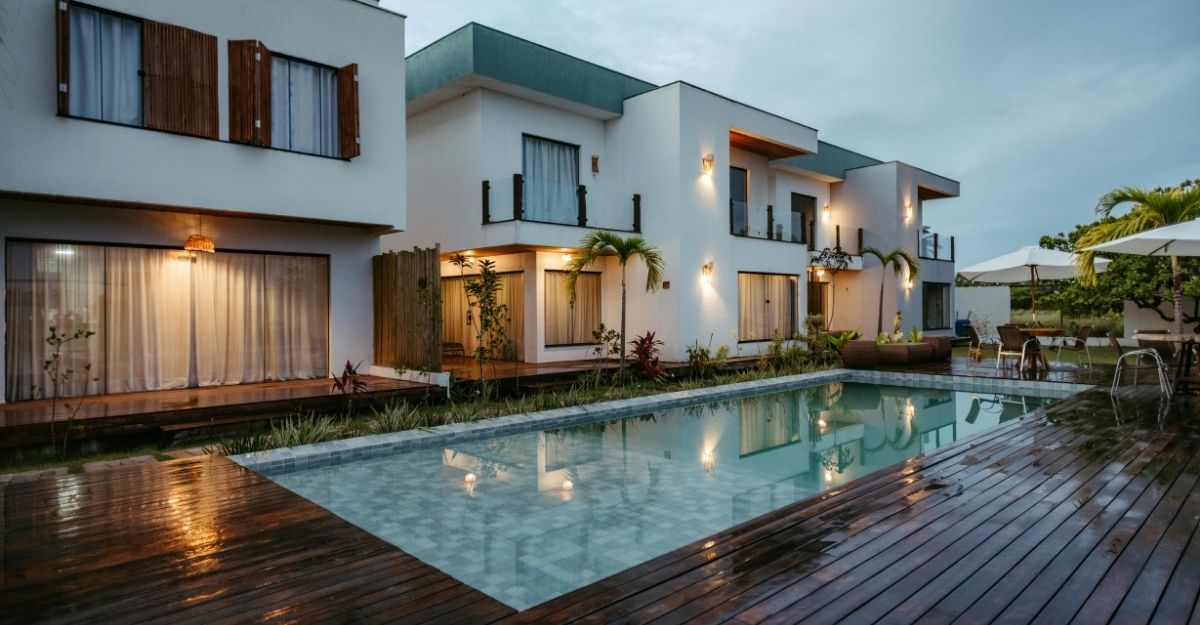
When I was hauling crates of heavy vinyl through the underground club circuits in the late 2000s, the concept of a DJ achieving billionaire status felt like pure science fiction. We were playing sweaty, unventilated basements for the love of the groove and enough cash to pay rent. Today, the electronic music industry has mutated into a multi-billion-dollar global juggernaut. The producers who used to sleep on couches are now the new global aristocracy. If you want to understand the true scale of this wealth, you have to look at the 2026 DJ Rich List.
As the Managing Editor of this platform, I have tracked the collision of raw club culture and ultra-luxury living for over a decade. The modern electronic music producer is no longer just a musician; they are a walking corporate conglomerate. They headline super-clubs in Ibiza, command six-figure fees for a single night of work, and park their capital in some of the most exclusive, hyper-customized real estate on the planet.
Forget the standard Hollywood actor. The real architectural flexing is happening behind the closed gates of the world’s most successful DJs. From Japandi-inspired wellness sanctuaries to subterranean recording studios that cost more than private jets, here are five epic secrets behind the homes of the electronic elite.
1. From Warehouse Raves to the DJ Rich List
To fully grasp the magnitude of modern DJ real estate, we have to examine the financial engine driving it. The top tier of the 2026 DJ Rich List is dominated by producers who successfully bridged the gap between underground dance floors and mainstream pop dominance.
Scottish producer Calvin Harris currently sits at the absolute pinnacle, having amassed a staggering $240 million fortune. He doesn’t just play clubs; he holds massive, multi-year residencies in Las Vegas that guarantee tens of millions of dollars before he even steps onto a festival stage. Just behind him is DJ Tiësto, boasting a net worth of $170 million and commanding fees of up to $250,000 for a single evening’s work. Meanwhile, French icon David Guetta continues his reign, receiving up to $175,000 per performance.
When your nightly income surpasses the annual salary of a neurosurgeon, standard luxury real estate is no longer sufficient. These artists require compounds that serve as private resorts, corporate headquarters, and acoustic fortresses.
2. Zedd’s Japandi-Inspired Architectural Masterpiece
There is no better example of this architectural evolution than Grammy-winning producer Zedd. In the past, DJ mansions were notorious for looking like overgrown frat houses. Zedd himself once famously owned a sprawling Beverly Hills mansion complete with an indoor Skittles machine. But as the artists mature, so do their aesthetic tastes.
Zedd recently showcased his brand-new Los Angeles home to Architectural Digest, revealing a completely different philosophy. Designed by Jae Omar, the multi-million-dollar property is a minimalist sanctuary defined by a “Japandi-inspired” aesthetic—a sophisticated blend of Japanese minimalism and Scandinavian functionality.
The focus of this new mega-mansion isn’t wild parties; it is health, wellness, and mental clarity. The property features a bespoke at-home gym, a high-end spa, and meticulously curated indoor-outdoor living spaces. It proves that the modern electronic music mogul values privacy and zen-like restoration just as much as they value sold-out stadium crowds.
3. The Studio That “Pays for the Whole House”
While the infinity pools and spa facilities are stunning, the true beating heart of a DJ mega-mansion is the home recording studio. For a traditional Hollywood actor, a home is just a place to live. For an electronic music producer, their home is the factory where the product is manufactured.
Zedd’s new Japandi compound features an astounding, state-of-the-art recording studio that spans over 5,000 square feet alone. These are not makeshift acoustic panels thrown into a spare bedroom. These are acoustically isolated, floating-floor bunkers wired with millions of dollars in analog synthesizers, McIntosh amplifiers, and custom mixing consoles.
As fellow superstar producer Diplo recently noted during his own home tour, the recording studio is the specific room that effectively “pays for the whole house”. By integrating world-class production facilities directly into their living spaces, these artists can wake up, walk down the hall, and produce a platinum record without ever having to book outside studio time or deal with the paparazzi.
4. The Hercules and Love Affair Effect: DJing as High Art
How did we get here? How did the DJ transition from a background entertainer to a highly respected, mega-wealthy tastemaker? As publications like Resident Advisor have documented, it required a fundamental shift in how the public viewed electronic music.
This is where the legacy of our namesake, Hercules and Love Affair, becomes a crucial piece of the puzzle. When Andy Butler brought the project to the global stage in 2008, he didn’t just press play on a laptop. He incorporated live instrumentation, operatic theatricality, and a deep reverence for classical disco arrangements. He made the club experience feel like high art.
That intellectual elevation of dance music paved the way for the industry’s massive commercial boom. Once high society and the global elite realized that electronic producers were genuine composers and visionaries, the brand deals, the Vegas residencies, and the nine-figure valuations followed. The underground created the culture, but artists who treated the genre with artistic reverence unlocked the vault.
5. The Real Estate Portfolios of the Electronic Elite
Today, the members of the DJ Rich List operate more like international real estate tycoons than traditional musicians. Because their tour schedules take them across the globe, top earners rarely own just one property.
A standard portfolio for a top-ten earner includes a massive primary compound in the Hollywood Hills or Beverly Hills, a summer party villa in Ibiza or Mykonos to align with the European festival season, and an ultra-modern penthouse in Miami or Dubai for winter residencies. They are buying vast tracts of land, investing in commercial hospitality, and hiring the world’s most elite architects to build properties that serve as physical monuments to their musical empires.
The era of the starving DJ is a relic of the past. The needle has moved, the checks have cleared, and the architects are currently drafting the blueprints for the next generation of analog luxury.
FAQ
To help our readers track the massive wealth and luxury real estate trends of the electronic music industry, our editorial desk has answered the most common questions regarding the DJ Rich List.
Who is at the top of the 2026 DJ Rich List?
- Calvin Harris currently leads the pack with an estimated net worth of $240 million.
- He holds this position due to his incredibly lucrative multi-year residencies in Las Vegas, high-profile global brand partnerships, and his massive catalog of chart-topping pop crossover hits.
How much do top DJs make per performance?
- Elite electronic music producers command extraordinary nightly fees.
- DJ Tiësto can command fees of up to $250,000 for a single evening’s work.
- David Guetta reportedly receives up to $175,000 for each performance.
What is the “Japandi” aesthetic found in celebrity DJ mansions?
- Showcased in Zedd’s new Los Angeles home, the Japandi aesthetic is a sophisticated interior design trend that blends the elegant minimalism of Japanese architecture with the warm, functional comfort of Scandinavian design.
- It focuses heavily on natural light, neutral color palettes, and spaces designed for mental wellness and restoration.
Why do electronic music producers build such massive home studios?
- For an electronic music producer, the recording studio is the primary engine of their wealth.
- As Diplo explained during a recent architectural tour, the studio is the room that “pays for the whole house”.
- Having a state-of-the-art, 5,000-square-foot studio—like the one built by Zedd—allows these artists to produce platinum records with total acoustic perfection and absolute privacy.

Sahil Chopra is a digital media specialist and the Managing Editor of Hercules & Love Affair. Backed by a formal diploma in Film & Television Direction from the Asian Academy of Film and Television (AAFT) and a degree in Business Management, Sahil combines his artistic vision with over four years of digital publishing expertise. He specializes in tracking the exact intersection where underground club culture meets high-end luxury lifestyle. Having closely followed the global electronic music scene from its early blog-era roots, Sahil now leads the editorial vision for the platform—curating everything from breaking entertainment news and VIP festival guides to exclusive looks inside celebrity culture. When he isn’t steering the newsroom, he is hunting down rare vinyl records and keeping a close eye on global fashion weeks.
10 thoughts on “The DJ Rich List: Inside the $50 Million Mansions of Electronic Music’s Highest Earners”
Comments are closed.