
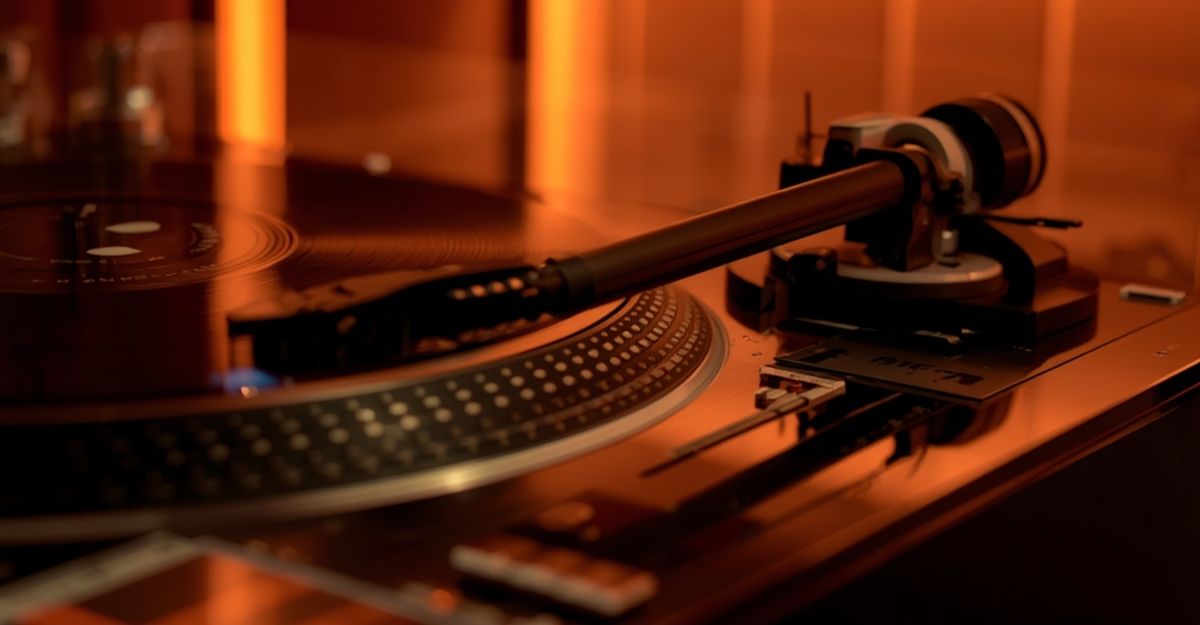
When I first started crate-digging in the dusty, poorly lit record shops of the late 2000s, carrying heavy bags of wax to a gig was just a standard part of the job. Over the next decade, we watched the electronic music industry embrace extreme convenience. The USB stick became the undisputed king of the DJ booth, and digital streaming algorithms dictated global pop culture. But if you have been paying attention to the VIP booths and high-end listening lounges this year, you know the tide has violently turned. In 2026, the vinyl resurgence is not just a hipster micro-trend; it is the ultimate luxury flex in the global music industry.
As the Managing Editor of this platform, I have tracked the evolution of club culture from sweaty underground basements to elite, five-star hospitality suites. What is happening right now is a total rejection of digital perfection. Elite DJs, high-net-worth audiophiles, and luxury lifestyle brands are abandoning the clinical predictability of digital audio.
They are returning to the tactile, warm, and highly exclusive world of analog. Here is exactly why the world’s top selectors are ditching their laptops and CDJs, and how the analog aesthetic has become the peak of 2026 high society.
1. The Tangible Flex: Why the Vinyl Resurgence is the New Luxury
To understand the 2026 clubbing landscape, you must understand the modern definition of luxury. In an era where artificial intelligence can flawlessly beatmatch a four-hour DJ set and streaming platforms give everyone access to every song ever recorded for $10 a month, digital music has lost its cultural cachet. It is infinitely replicable, and therefore, it is cheap.
True luxury is defined by scarcity, effort, and exclusivity.
When an elite DJ steps into a VIP booth at an exclusive venue in Ibiza or Tokyo carrying a custom-leather flight case full of rare, 12-inch records, it commands a completely different level of respect. It tells the audience several things instantly:
- Financial Investment: Building a world-class physical record collection requires immense capital.
- Technical Mastery: Mixing vinyl requires genuine, unassisted technical skill. There are no sync buttons on a turntable.
- Curatorial Superiority: The tracks being played are likely rare white-labels, limited pressings, or vintage cuts that simply do not exist on digital streaming platforms.
The RIAA revenue reports have consistently shown physical media revenues aggressively climbing year over year, proving that consumers and professionals alike are desperate for a physical connection to their music. In 2026, dropping a needle onto a record is the sonic equivalent of wearing a vintage, mechanical Patek Philippe watch in a room full of Apple Watches. It is the ultimate flex of taste and status.
2. Analog Authenticity: The Hercules and Love Affair Blueprint
This return to analog isn’t just about playback; it is about production. The seeds of this 2026 movement were planted years ago by artists who refused to abandon the warmth of real, physical studio gear.
Look no further than the enduring legacy of Hercules and Love Affair. When Andy Butler broke onto the global scene in 2008, he didn’t do it with sterile, hyper-compressed laptop beats. The self-titled debut album was a masterclass in organic instrumentation, vintage synthesizers, and lush, classical arrangements. Released via DFA Records a label historically obsessed with high-quality vinyl pressings and analog grit it sounded inherently human.
Butler maintained this uncompromising analog philosophy throughout his career. Even on their critically acclaimed 2022 album, In Amber, the collective utilized real percussion (featuring Budgie of Siouxsie and the Banshees) and vast, organic sonic textures. They didn’t chase the digital EDM sound; they anchored themselves in analog authenticity.
Today’s top-tier producers are following this exact blueprint. The sterile, laptop-produced sound of the 2010s is dead. The 2026 luxury audio aesthetic requires the imperfections, the tape hiss, and the dynamic warmth that only physical, analog production can provide.
3. Audiophile Listening Bars: The New VIP Nightlife
One of the most significant lifestyle shifts driving this analog movement is the explosion of audiophile listening bars.
Originally a niche concept native to Tokyo, high-fidelity listening lounges have aggressively taken over London, New York, Paris, and Los Angeles. These are not massive, strobe-lit megaclubs. They are intimate, ultra-luxurious spaces designed specifically for critical listening.
In these venues, the DJ is positioned as a musical sommelier. They play exclusively on high-end, boutique rotary mixers (like those crafted by Condesa or MasterSounds) feeding into six-figure, custom-built wooden speaker stacks. The clientele in these venues are not looking for bass drops; they are wealthy, culturally attuned patrons sipping $40 craft cocktails while listening to the pristine, crackling warmth of a rare 1970s disco pressing.
For the modern DJ, scoring a residency at a premium audiophile listening bar is now more prestigious than headlining a commercial EDM festival. It is the pinnacle of the sophisticated celebrity lifestyle we cover in our newsroom.
4. Scarcity and the Economics of Wax
Finally, we have to talk about the economics. The vinyl resurgence is heavily driven by the highly lucrative secondary market.
In the digital world, music is infinite. In the physical world, a record label might only press 500 copies of a highly anticipated underground club track. Once those 500 copies are sold out, they are gone. This creates intense artificial scarcity. We are seeing top DJs participate in the global Discogs marketplace, dropping hundreds or even thousands of dollars to secure a single, rare 12-inch record to play in their sets.
This scarcity creates a unique, highly localized experience for the VIP clubgoer. If you hear a DJ play a rare white-label pressing on a rooftop in 2026, you know you are experiencing a fleeting, exclusive moment that cannot be easily replicated on a Spotify playlist.
The digital era democratized music, but it also sterilized it. The top DJs in the world are abandoning digital because they understand that high-end culture craves friction, rarity, and soul. The needle has officially dropped on a new era of luxury nightlife, and analog is back on top.
FAQ
To help you navigate the high-end audio trends of 2026, our editorial desk has compiled answers to the most common questions regarding the analog audio movement.
What is driving the vinyl resurgence in 2026?
The vinyl resurgence is largely driven by a cultural pushback against the clinical, infinite nature of digital streaming. High-net-worth audiophiles, luxury lifestyle brands, and elite DJs are embracing physical records for their tangible scarcity, superior acoustic warmth, and the technical mastery required to mix them live.
Why do luxury listening bars use rotary mixers?
Audiophile listening bars prefer boutique rotary mixers over standard digital DJ controllers because rotary mixers are built with premium, studio-grade analog components. Instead of harsh digital crossfaders, they use smooth, weighted dials (potentiometers) that allow for incredibly precise, lush blends between records, maximizing the audio fidelity of the sound system.
How did DFA Records influence modern vinyl culture?
DFA Records, the label that released Hercules and Love Affair’s 2008 debut, was famously dedicated to the analog aesthetic and high-quality physical pressings. Their commitment to releasing 12-inch records specifically mastered for club sound systems laid the groundwork for today’s premium analog DJ culture.
Is DJing with vinyl harder than using digital CDJs?
Yes. Modern digital CDJs feature visual waveforms, automatic beat-syncing, and instant track-search capabilities. Mixing physical records requires the DJ to manually rely on their hearing to match the tempo of two spinning platters, making it a highly respected performative art form in 2026.

Sahil Chopra is a digital media specialist and the Managing Editor of Hercules & Love Affair. Backed by a formal diploma in Film & Television Direction from the Asian Academy of Film and Television (AAFT) and a degree in Business Management, Sahil combines his artistic vision with over four years of digital publishing expertise. He specializes in tracking the exact intersection where underground club culture meets high-end luxury lifestyle. Having closely followed the global electronic music scene from its early blog-era roots, Sahil now leads the editorial vision for the platform—curating everything from breaking entertainment news and VIP festival guides to exclusive looks inside celebrity culture. When he isn’t steering the newsroom, he is hunting down rare vinyl records and keeping a close eye on global fashion weeks.
5 thoughts on “The Vinyl Resurgence: Why Top DJs Are Abandoning Digital in 2026”
Comments are closed.